Let’s find companions
I’ve been working remotely for years. So, when lockdown restrictions started easing, I was desperate to experience life again. Preferably during daylight hours.
There was just one little problem: most of my friends worked traditional 9-to-5 jobs. And while I enjoy my own company, sometimes you just want someone to ride a bike with, grab a coffee or have a ridiculously long lunch.
So I asked myself: who else might have a similarly flexible lifestyle in Kraków?
Expats!
I stepped outside my comfort zone and published a very honest post in a local Facebook group. Essentially, I was publicly admitting that I was looking for people to hang out with.
And then my phone exploded.
Likes, comments, private messages. And then I started reading what people were actually telling me.
“I’ve been feeling lonely in Kraków.”
“Thank you for showing me that it’s okay to openly look for friends.”
“You’re inspiring me to do something about my loneliness.”
Almost all those messages came from women.
And something clicked.
Houston, we have a problem. And apparently, I’m going to solve it.
I started meeting women in small groups. Coffees, lunches, conversations. It was wonderful, but soon I realised that I was becoming the bottleneck of my own little social experiment.
There were too many people to meet, too many conversations to have, and I was slowly neglecting my existing friendships.
What if I could create something that helped women find each other without me having to personally attend every coffee date?
That’s how sheUnit Collective was born.
I envisioned a friendship-matching app, women’s retreats, workshops, conferences and a whole ecosystem built around sisterhood.
Minor inconvenience: I couldn’t code. I couldn’t organise everything alone. And, frankly, I didn’t want to.
So I went back to Facebook.
Accidentally becoming a CEO, recruiter and project manager
I published another post, this time looking for women who wanted to build something meaningful together.
The response was overwhelming.
Suddenly, I was conducting recruitment interviews. And no, I wasn’t offering salaries, fancy job titles or unlimited snacks in a beautifully designed office.
I was offering a vision.
Twenty women from across Poland joined the project. Complete strangers united by a shared belief.
We had developers, designers, copywriters, translators and other talented women. I organised us into smaller teams, appointed team leaders and created an organisational structure.
We started developing a website, creating educational content, building our social media presence and exploring the app concept.
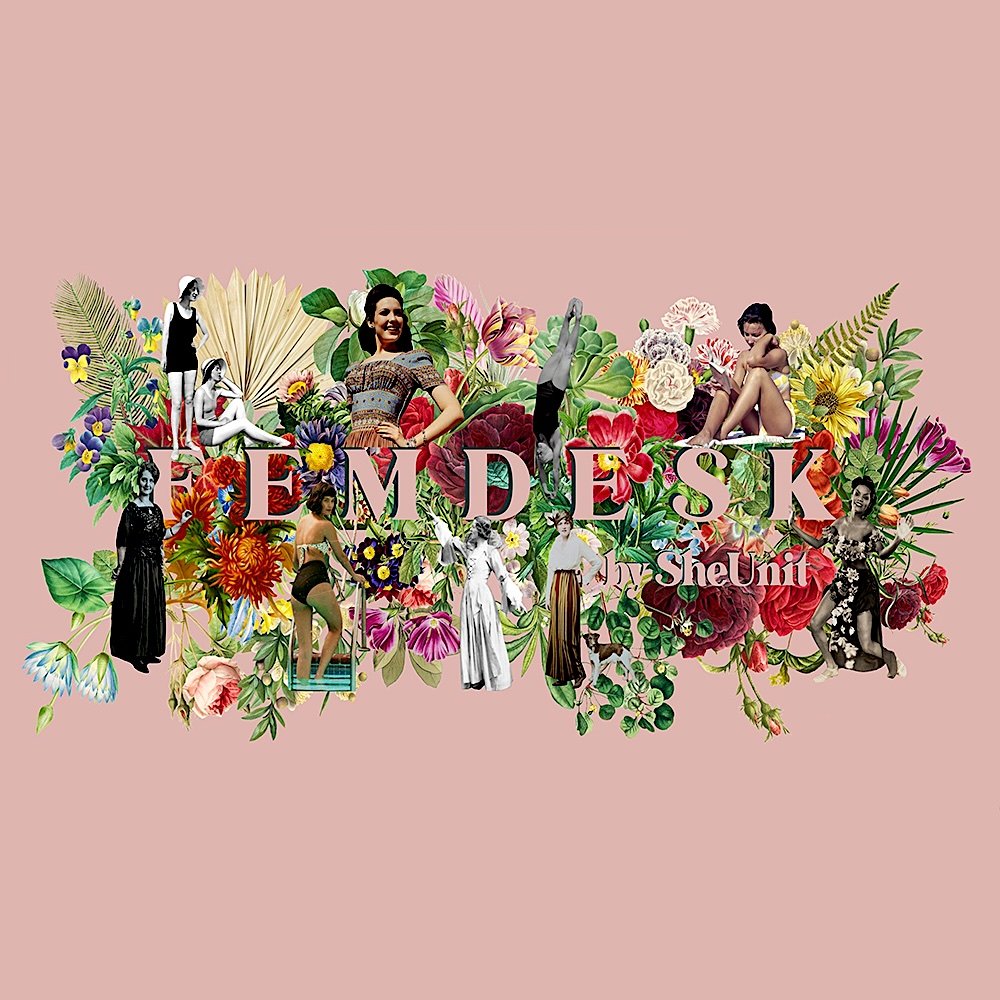
I also launched Femdesk, an online safe space where women could connect, share experiences and support one another.
It was exciting. It was ambitious. It was beautiful.
It was also completely unsustainable.
The part founders don’t usually put on LinkedIn
I was managing a team of 20 volunteers while working a full-time job.
We had passion, talent and a meaningful mission. What we didn’t have was a sustainable operating model, funding or a realistic scope.
And I had underestimated how much leadership capacity the project required.
Eventually, I recorded a video for the team explaining that I couldn’t continue.
The women understood.
I was left with a bittersweet combination of relief and failure.
Why it failed: a founder’s post-mortem
It’s easy to say I ran out of time and energy. That’s true, and it’s also the least useful explanation. Looking back with a few more years of business development behind me, the real reasons were strategic.
- Premature scaling. I built a team of 20 before confirming a business model.
- Scope creep. An app, events, a community and retreats, all planned at the same time.
- Founder dependency. Far too much of the project depended on one person. Me.
- Validation gap. People loved the mission. Nobody had confirmed they would pay for it.
- Resource allocation. My ambitions were much bigger than the time and money available.
- Volunteer economics. Building a long-term organisation on unpaid work is extremely hard.
These are exactly the patterns I now look for in other people’s projects. I recognise them quickly, because I’ve lived through every single one.
If I were building sheUnit today
I wouldn’t start with an app. And I definitely wouldn’t start with a team of 20.
I’d start with a clearly defined customer segment, structured interviews and a much smaller experiment. I’d test whether women were willing to pay for the experience before investing in technology.
I’d probably run a manual friendship-matching service, organise a few paid experiences and measure whether people actually came back.
Only then would I consider building a product, introducing a subscription model and expanding the team.
Back in 2021, I was trying to build an entire ecosystem before validating its smallest commercially viable component.
Today, that’s exactly the kind of mistake I help other founders avoid. You’re welcome. I made it for you.
Different project. Same DNA.
Four years later, I founded Emprendea Hub in Granada.
A different country, a different audience and a different problem to solve. But the same belief that meaningful human connections can change people’s lives.
This time, I started with real people, real conversations and real experiences rather than an ambitious technology roadmap.
sheUnit didn’t become the venture I imagined. But its lessons found their way into everything I built afterwards.
And this one? I’m not done with it yet.